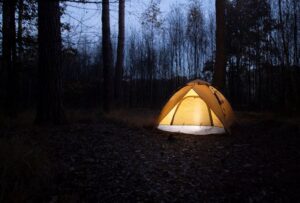
Camping, trekking, and survival scenarios necessitate lightweight, portable, and dependable shelter. Among the many shelter alternatives available, parachute tents have grown in favor due to their durability, versatility, and ease of setup. Originally inspired by the materials used in military parachutes, these tents strike a balance between strength and lightness, making them ideal for both outdoor enthusiasts and survivalists. In this post, we’ll explore what camping tents are, their primary benefits, various types, key characteristics to consider, and how to utilize them effectively in a range of outdoor conditions.
Understanding Parachute Tents
What is a Parachute Tent?
A parachute tent is a lightweight shelter made of ripstop nylon or polyester, comparable to the materials used in parachutes. These textiles are made to withstand harsh weather, avoid tearing, and stay compact when transported.
Camping tents are frequently simple, emphasizing speedy deployment and portability, which is especially useful for hikers, campers, and emergency survival scenarios.
Origins & Evolution
Glider tents originated as military field shelters and survival kits. Over time, outdoor gear makers refined the concept for civilian usage, improving comfort, waterproofing, and transpiration while maintaining the lightweight benefit.
Advantages of Parachute Tents
Ultra-lightweight design
2-Man tents are greatly lighter than typical camping tents, generally weighing less than 1.5 kg, making them convenient to transport for lengthy walks or treks.
Compact and portable
When packed, a parachute tent can fit into a tiny bag, conserving room in a backpack—an important consideration for multi-day hikes.
Quick Setup
Many falling tents feature easy pole systems or hammock-style hanging options, allowing you to set up shelter in minutes.
Durable and weather-resistant
The ripstop nylon fabric is tear-resistant and performs well in wind, rain, and moderate snow, making it a reliable choice for unexpected conditions.
Multifunctional Use
In addition to serving as a tent, parachute fabric shelters can function as rain tarps, ground covers, or shade canopies.
Types of Polyester Tents
Single-Pole Parachute Tent
These have a central support pole with fabric spread around it that resembles a tipi design. They’re basic, stable, and easy to pitch.
Hammock-style Parachute Tents
Hammock skydiving tents hang between two anchor points (often trees) and frequently contain mosquito netting for tropical or jungle camping.
Dome-style Camping Tents
Dome Camping tents use flexible poles to form a more classic tent shape, which provides more internal room and greater wind resistance.
Parachute tarps and shelters
Compact variants that serve as overhead coverings or windbreaks, perfect for ultralight backpacking or emergencies.
Choosing the Right Parachute Tent
Capacity
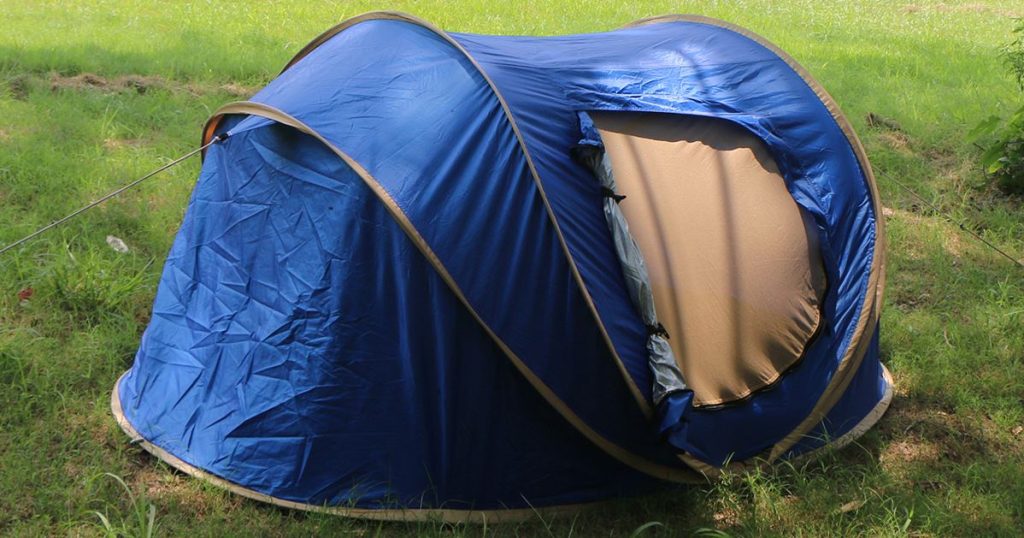
Choose a size based on the number of occupants. Solo hikers may pick ultralight one-person models, while group campers may choose larger multi-person tents.
Weather Resistance
Check the tent’s waterproof rating (in millimeters) and wind stability. In dry weather, a high-quality rainfly with sealed seams is important.
Ventilation
Good airflow prevents moisture from forming within the tent, especially in humid climates. Check for mesh panels and adjustable vents.
Weight and Packing Size
For long-distance hiking, choose models weighing less than 2 kg and featuring a compact carry bag.
Setup Mechanism
Choose between freestanding tents, which can be set up anywhere, and set tents, which require ground anchoring.
Using Polyester Tents in Different Scenarios
For Camping
When camping in established sites, camping tents provide a lightweight alternative to heavy gear while still offering comfort and protection.
Tips:
- Use a groundsheet for added protection.
- Position your tent in a sheltered spot to minimize wind impact.
For Hiking and Trekking
Hikers benefit from the reduced weight and quick setup, allowing more time to focus on the journey.
Tips:
- Practice pitching before your trip.
- Keep the tent easily accessible in your backpack for fast deployment.
For Survival Situations
In survival scenarios, speed, durability, and adaptability are crucial—and Polyester tents excel here.
Tips:
- Learn how to set up the tent in multiple configurations.
- Use it as an emergency tarp or blanket if needed.
Maintenance and Care
Cleaning
Clean the tent after each trip with mild soap and cold water. To protect the fabric from harm, avoid machine washing.
Drying
To avoid mold and mildew, always thoroughly dry the tent before storing it.
Storage
To prevent UV damage, store the cloth in a cool, dry place away from direct sunshine.
Safety Considerations
Fire Safety
Parachute cloth is extremely flammable. Keep your tent away from open flames and hot equipment.
Weather Awareness
While Canvas tents are strong, heavy snow loads or hurricane-force winds can push them beyond their limitations; plan appropriately.
Wildlife precautions
Use mosquito netting in insect-infested areas and keep food away from your sleeping space to avoid attracting animals.
Popular Parachute Tent Brands and Models
Some well-known outdoor gear brands offer camping tents with various features, such as:
- DD Hammocks – Known for parachute hammock tents with integrated bug nets.
- MSR – Offers lightweight, high-performance backpacking tents with parachute-grade fabrics.
- Naturehike – Affordable options for campers seeking portability and comfort.
- Snugpak – Survival-oriented shelters designed for harsh environments.
Tips for First-Time Users
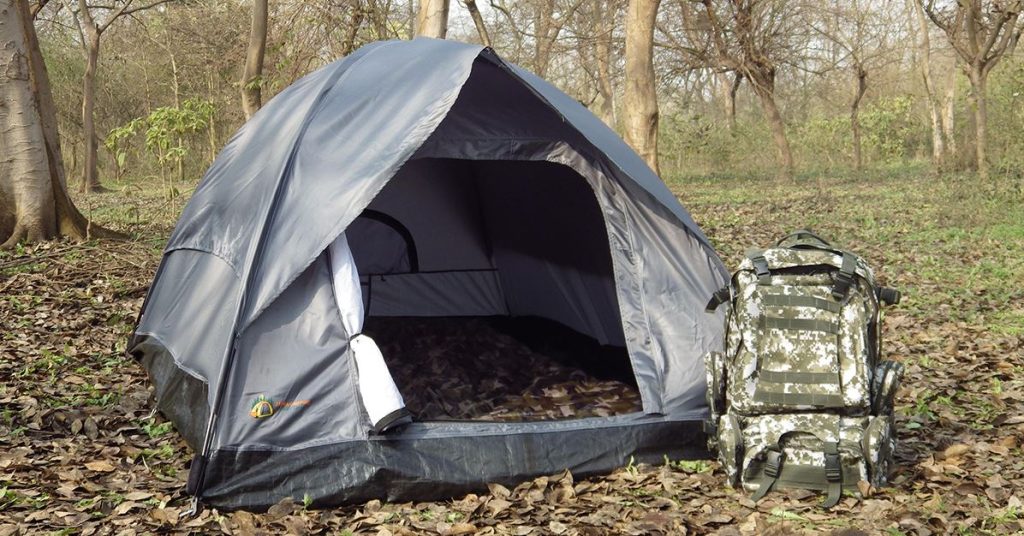
- Practice setup at home before your trip.
- Carry extra guylines and stakes for stability in strong winds.
- Combine your parachute tent with a high-quality sleeping bag for optimal comfort.
- Pack repair tape for quick fixes in the field.
Conclusion
Parachute tents are a game-changer for campers, hikers, and survivalists who value lightweight, durability, and adaptability. Whether you’re planning a weekend in the mountains, a long-distance hike, or putting together an emergency survival kit, a parachute tent provides dependable shelter without weighing you down.
Understanding the many types, vital features, and best practices for use allows you to make the most of this brilliant outdoor gear—and assure that no matter where your trip takes you, you’ll always have a safe place to rest.